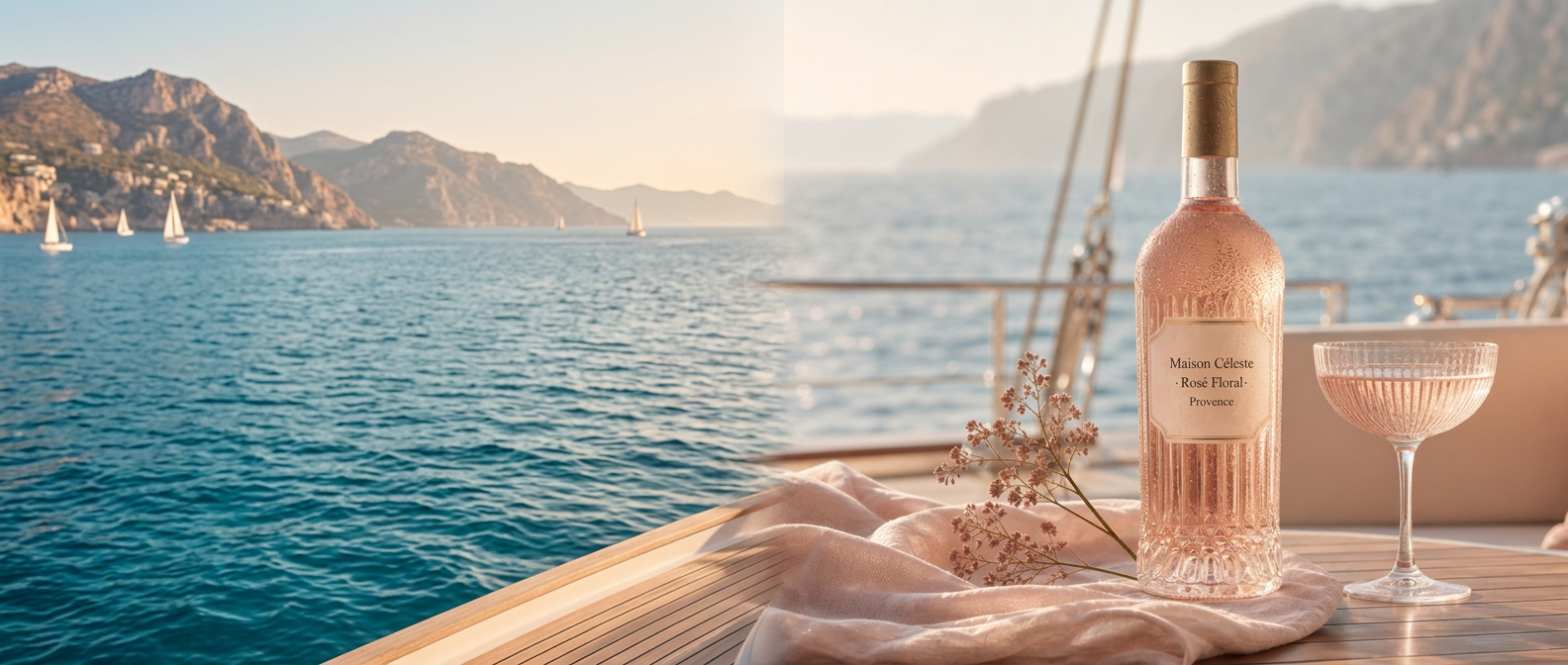
Rosé / Floral Beverage
From floral reference to a distinctive finish system
This concept example shows how a floral or rosé beverage idea can become a premium packaging direction through decorative glass, colour finish, closure matching and production planning. Final specifications depend on product, volume, filling method and market requirements.
A bottle that feels giftable before the label
A rosé, floral beverage or premium drink brand wants packaging that feels delicate, distinctive and tactile. The starting point might be a rose detail, blush colour, fluted glass reference or finish sample.

Floral detail
A rose or botanical cue can be explored through base detail, embossing, debossing or surface treatment.

Colour finish
Pale tint, ceramic spray or frosted detail can help create a softer premium presence.

Vertical fluting
Fluting or ribbed glass can add tactility and shelf distinction while supporting a refined silhouette.

Closure matching
Closure colour, material and finish should support the bottle's premium direction.
Every finish decision becomes a specification
A decorative rosé bottle is a system of measurable choices — capsule, neck, shoulder, fluting, label panel and base work together.
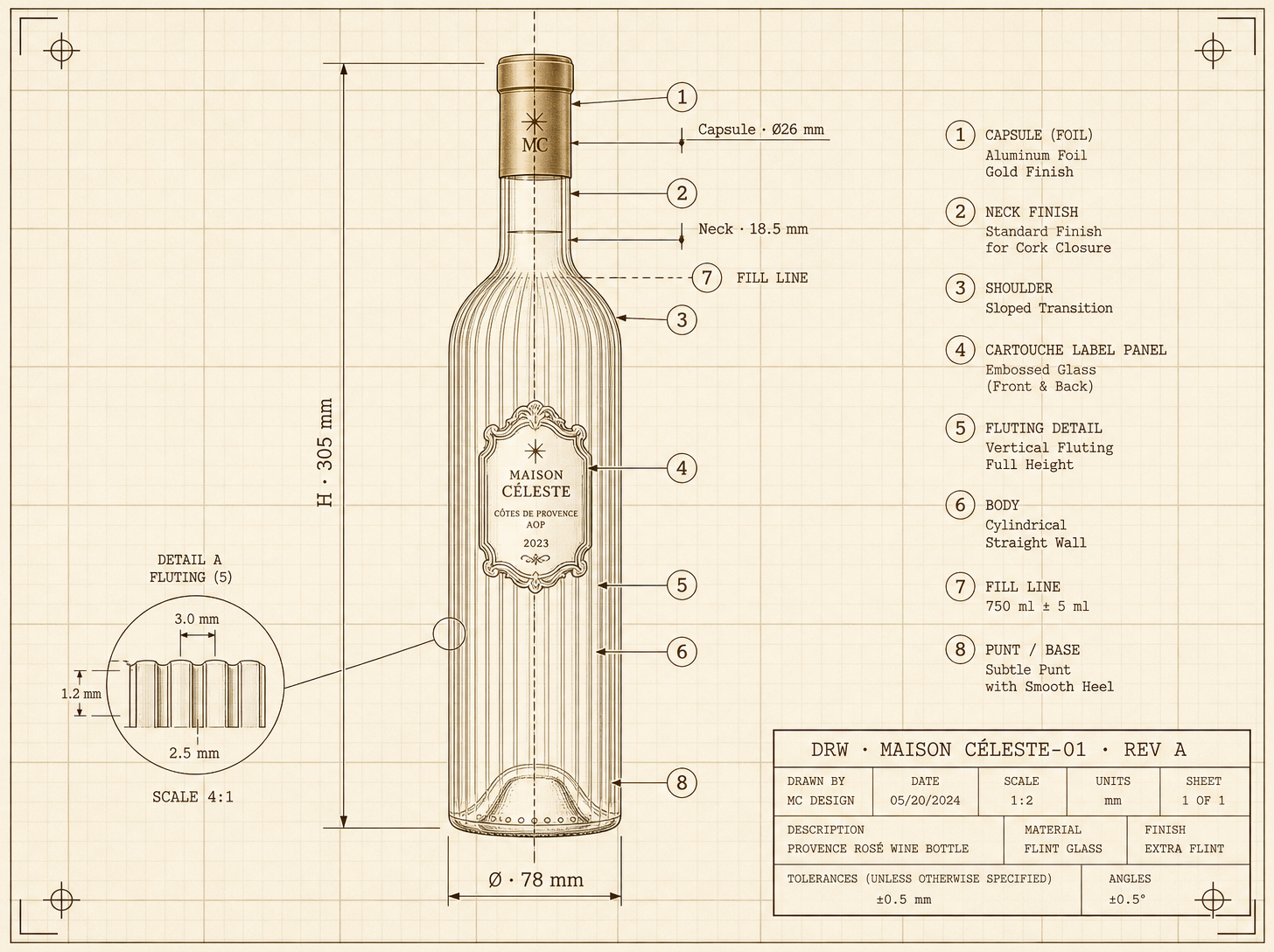
- 1Capsule · gold aluminium foil (Ø26 mm)
- 2Neck finish · cork closure fit (18.5 mm)
- 3Shoulder · gentle sloped transition
- 4Cartouche label panel · embossed frame
- 5Fluting detail · full-height vertical ribs
- 6Body · cylindrical straight wall
- 7Fill line · 750 ml ± 5 ml
- 8Punt / base · subtle punt, smooth heel
Technical drawings and dimensions are illustrative and provided for design-development purposes only. Final specifications are subject to technical review, sampling and production approval.
From floral moodboard to branded bottle system
A decorative beverage concept needs careful coordination across glass detail, colour, closure, label and quality checks before it can be sold.
- Step 01
Moodboard and reference image
The buyer shares floral references, colour direction, finish samples or bottles they like.
Phoenix focusReference-image-led enquiry and creative packaging direction.01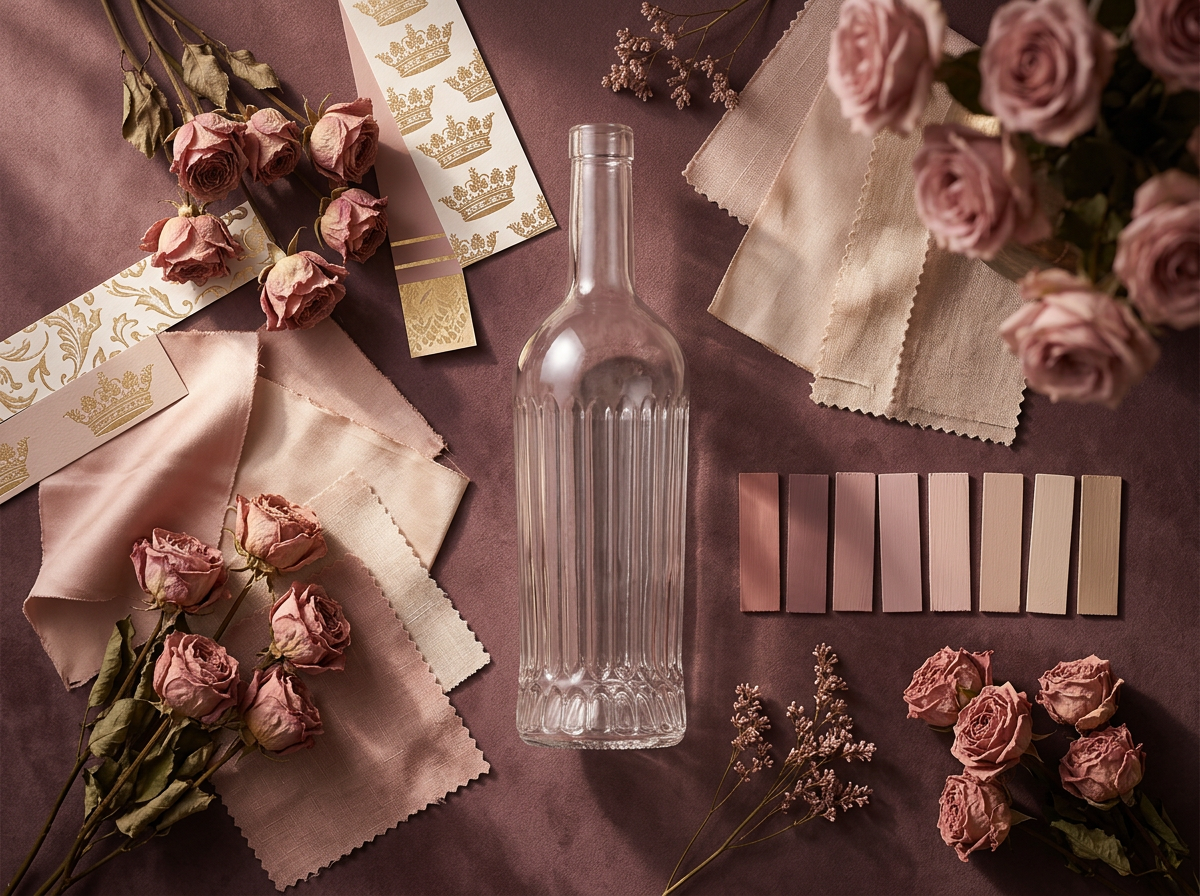 01
01 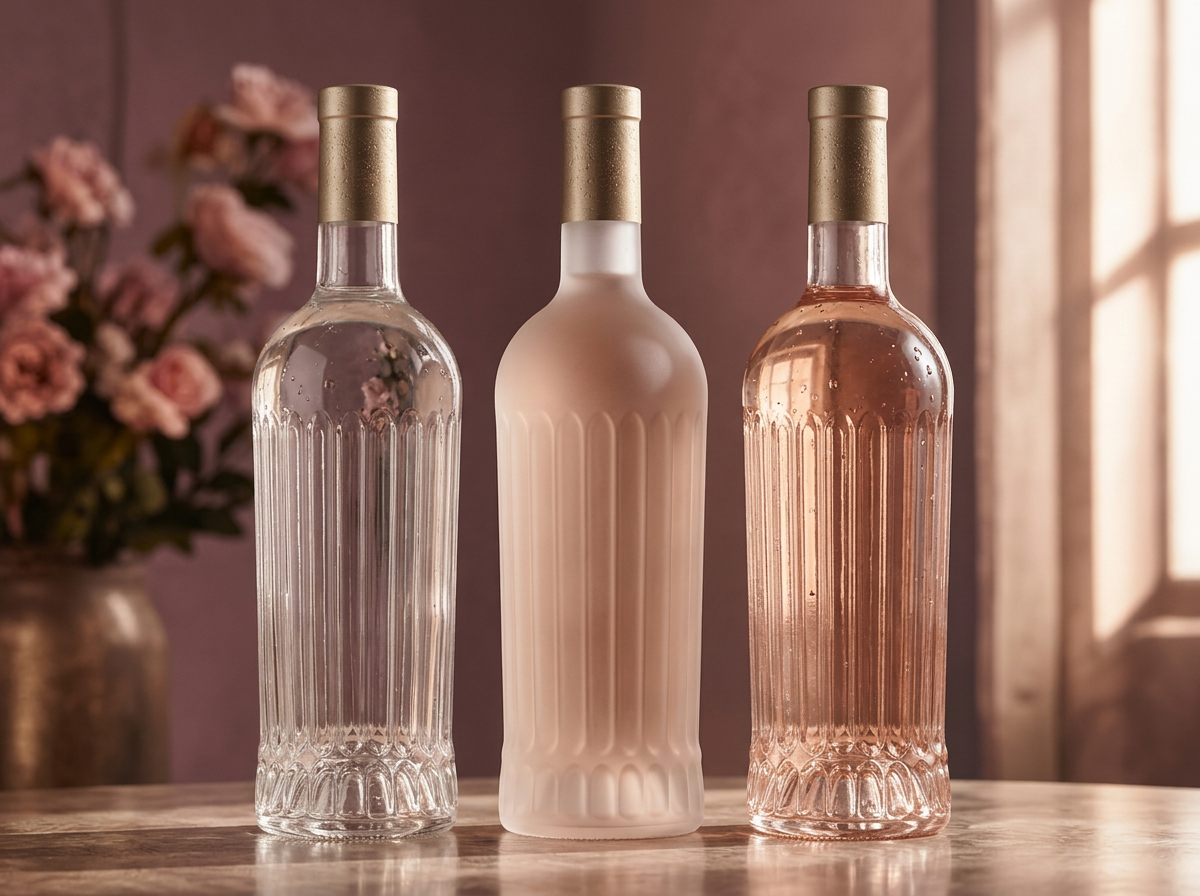 02Step 02
Finish route selection
Phoenix helps compare options such as embossing, debossing, fluting, etching, ceramic spray, tinting or frosted glass.
Phoenix focusCustomisation & Finishes.02- Step 03
Closure and label restraint
The bottle direction is paired with closure finish, label area and artwork method so the packaging feels coherent.
Phoenix focusClosures, labels and coordinated packaging components.03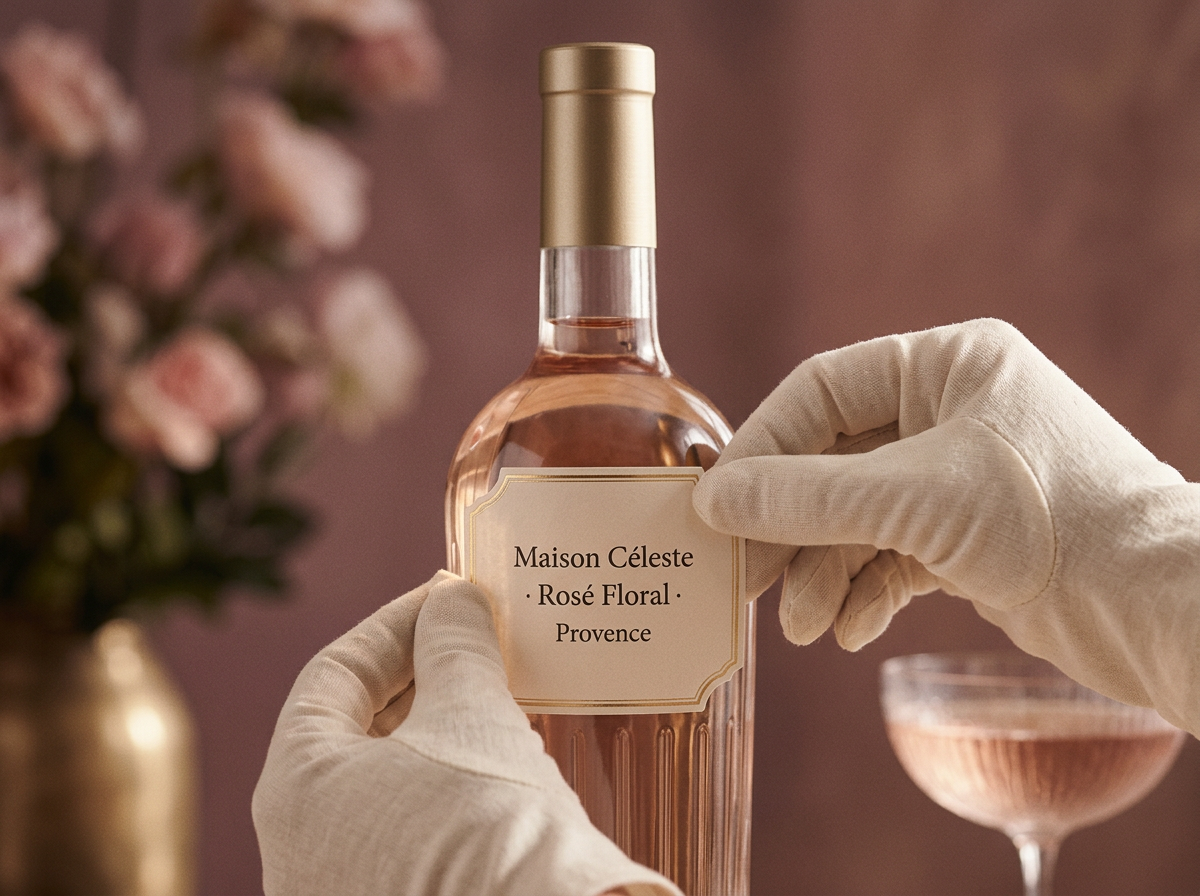 03
03 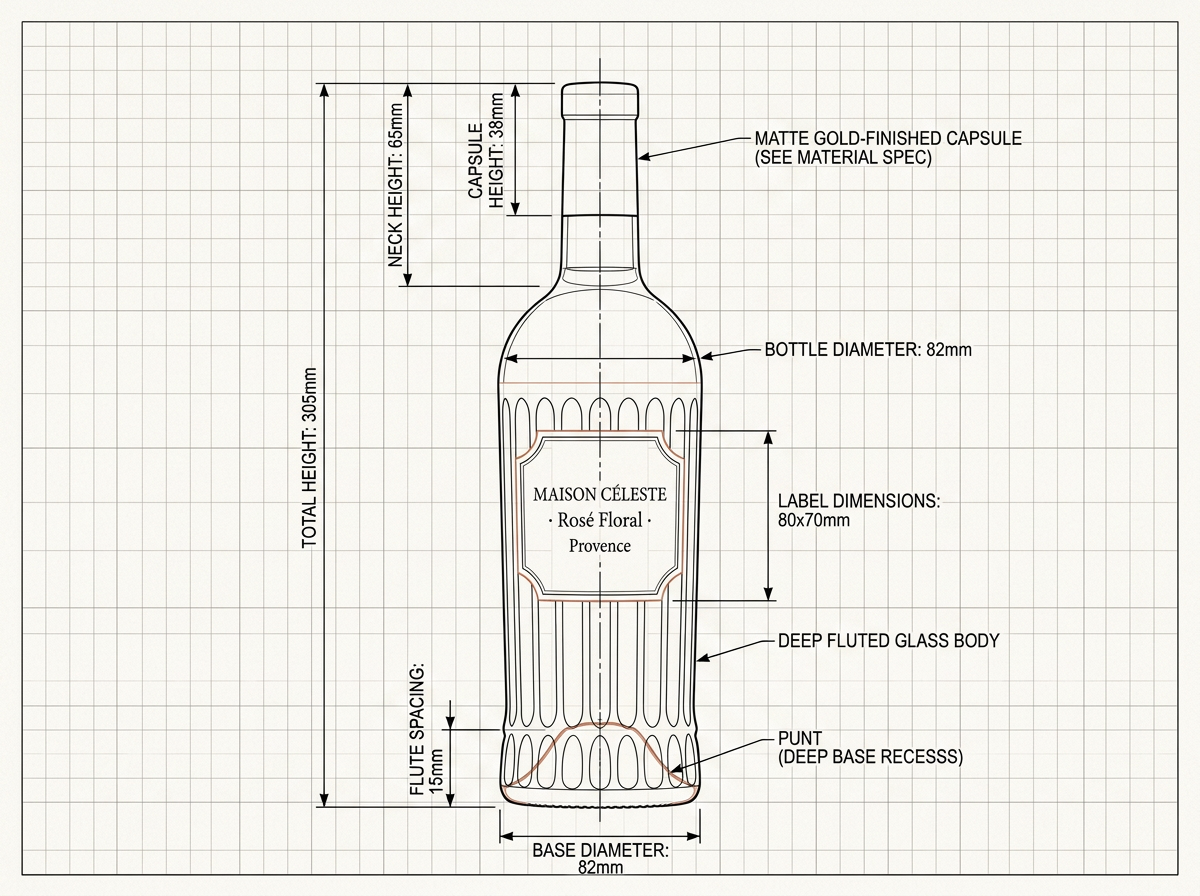 04Step 04
Technical specification and samples
Key details such as capacity, neck finish, label area, finish durability and production route are translated into technical requirements.
Phoenix focusTechnical drawings, sampling direction and specification.04- Step 05
Quality and handling review
Decorative finishes are reviewed for consistency, durability, packing, shelf presentation and filling compatibility.
Phoenix focusQuality Assurance for custom finishes.05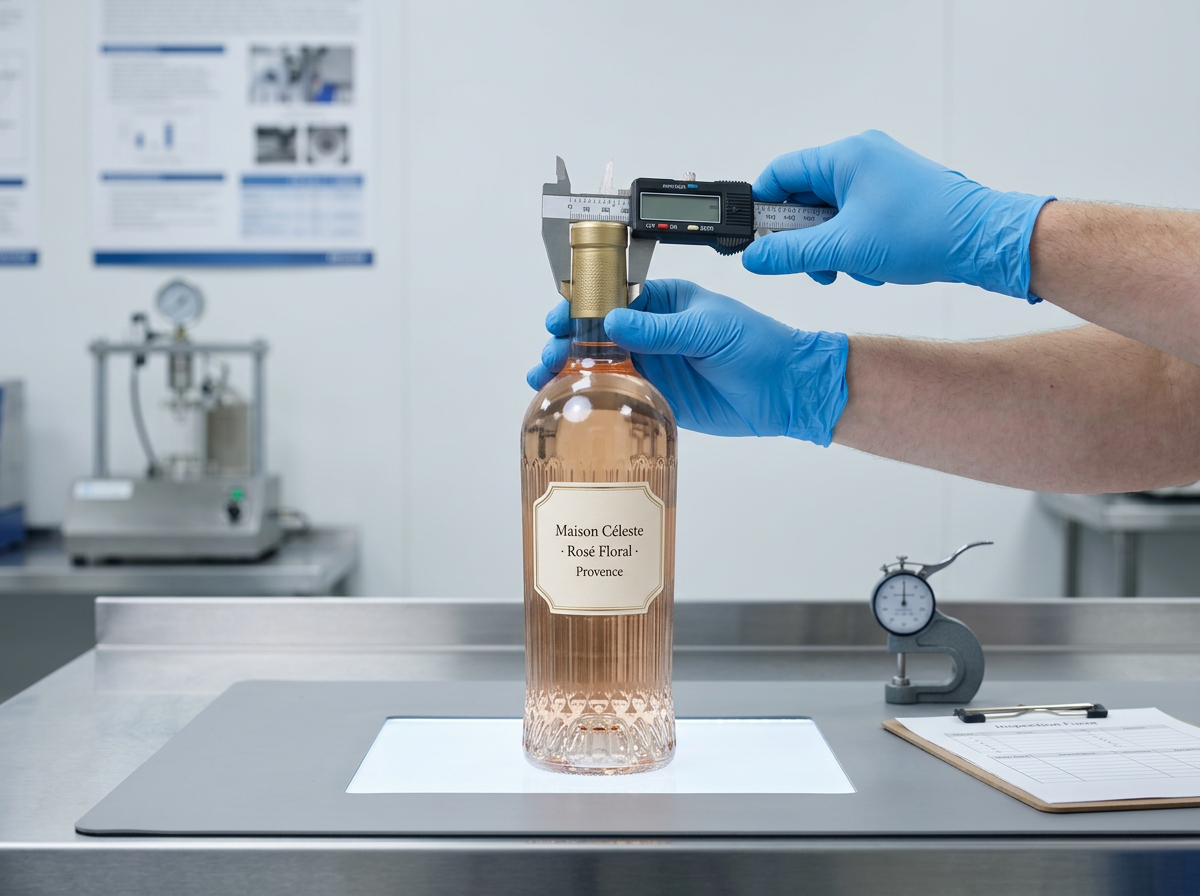 05
05 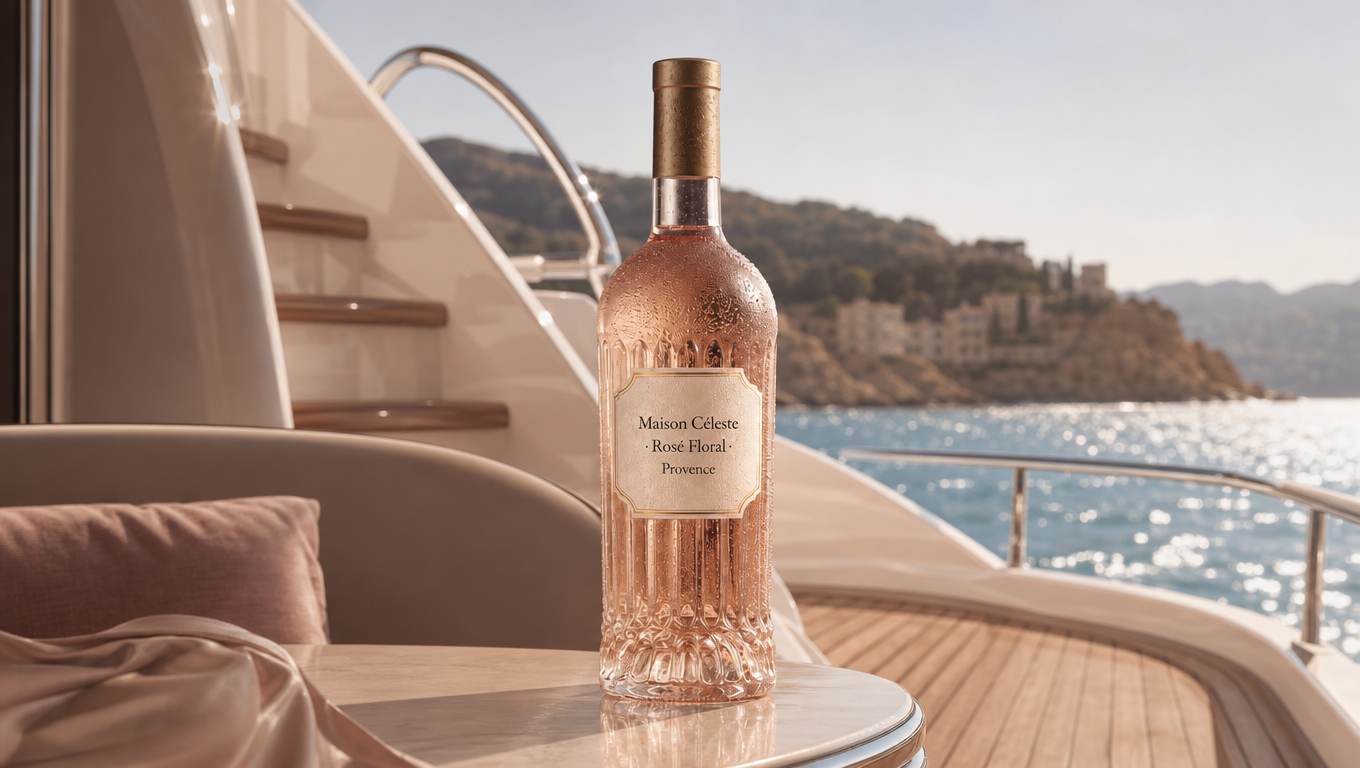 06Step 06
Branded beverage ready for shelf
The final route brings together bottle, finish, closure, label, carton and documentation for a market-ready product.
Phoenix focusEnd-to-end packaging route from concept to shelf.06- Step 07
Secondary packaging and retail-ready presentation
A rigid gift carton is developed alongside the bottle — heavyweight board, soft blush uncoated stock, gold foil detailing, embossed cartouche and a spine treatment so the pack presents as strongly as the bottle. Cartons are engineered for shelf stand-up, e-commerce transit, and gifting.
Phoenix focusSecondary packaging, gift cartons and retail-ready presentation.07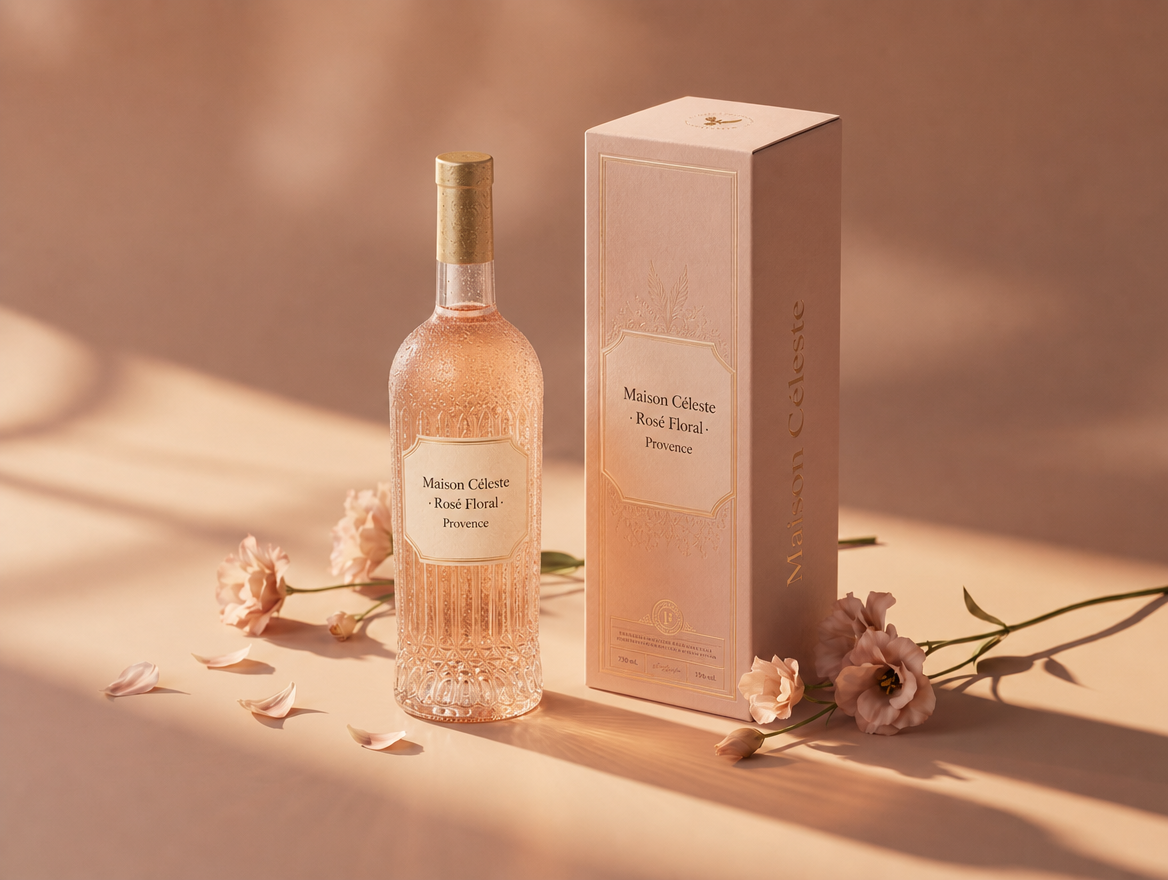 07
07
Specification checkpoints
- Capacity and bottle profile
- Filling method
- Carbonation or pressure requirements if relevant
- Neck finish and closure fit
- Colour finish durability
- Label method and application
- Packing protection
- Shelf presentation
Considerations at source
- Finish consistency
- Colour stability
- Scratch and handling resistance
- Closure fit
- Label adhesion or label-free design route
- Packing protection
- Transit and shelf handling
Choices that shape the route
- Blush tint, ceramic spray or clear glass
- Floral detail location and complexity
- Fluting or smooth bottle body
- Closure material and finish
- Label area and artwork style
- Product volume and launch timeline
Have a floral or finish reference?
Send a bottle, colour, finish or detail you like. Phoenix will help translate it into a practical packaging direction.
Concept example only. Final specifications depend on product, volume, filling method and market requirements.
Continue exploring
Explore the other example concepts
Each journey shows a different starting point — a reference image, a range brief or a finish direction — translated into a practical packaging route.