
What Drives Glass Bottle MOQ? A Guide for Brands
Minimum order quantities for glass bottles are primarily driven by the high fixed costs and operational demands of glass manufacturing. Learn what dictates MOQs and how to plan for them effectively.
Glass bottle Minimum Order Quantities (MOQs) are dictated by the economics of production. The primary drivers are the high energy costs of running a glass furnace, the significant cost and time required to create and set up bottle moulds (tooling), and the need for production line efficiency. A single production run must be large enough to amortise these substantial fixed costs. Custom features like unique shapes, colours, or finishes further increase the complexity and cost, leading to higher MOQs compared to standard stock bottles. For brands requiring flexibility, short-run options can sometimes be explored around 5,000 to 10,000 units.
MOQs are not arbitrary figures but a direct reflection of the manufacturing process. Glass production is a capital-intensive industry involving continuous furnace operation and complex machinery. Each production run, especially for custom designs, requires significant setup, which is only commercially viable when spread across a large volume of units. Understanding these factors allows brand owners and procurement teams to have more informed conversations with packaging partners and plan product launches more effectively.
- Do you require a standard, off-the-shelf bottle shape or a fully bespoke design?
- Is your required colour a standard flint, amber, or green, or will it require a custom feeder colour run?
- What is your forecasted annual volume, and how does that break down per order?
- Are you open to exploring semi-custom solutions, like decorating a standard bottle?
- Have you factored in the costs of quality assurance and transit for your desired volume?
Key Drivers of Glass Bottle MOQ
To effectively plan your packaging strategy, it's crucial to understand the specific operational factors that influence your supplier's MOQ. These are rooted in the technical and commercial realities of modern glass manufacturing.
| Factor | Standard (Stock) Bottle Impact | Custom (Bespoke) Bottle Impact |
|---|---|---|
| Mould Tooling | Moulds already exist and are owned by the manufacturer. No new tooling cost. | Requires new, dedicated moulds to be designed, engineered, and produced. This is a significant upfront capital expense that must be amortised. |
| Production Scheduling | Easier to schedule as manufacturers group runs of the same stock bottle together. | Requires a dedicated production line slot, causing downtime for mould changes before and after the run. This downtime is a major cost. |
| Glass Colour | Typically limited to standard colours (flint, amber, green) run in large campaigns. Lower MOQ. | A custom colour requires a furnace colour change or a smaller 'feeder' colouring process, which is costly, creates waste, and demands a larger run to be viable. |
| Quality Assurance | Standardised QA protocols are in place. Lower setup overhead per unit. | Requires specific setup for precision camera inspection and testing (thermal shock, pressure, etc.) for the new shape. The cost is spread over the run. |
| Minimum Volume | Often available in pallet quantities, though partners like Phoenix can discuss runs from 5,000 units. | Typically starts from one full production run, often equating to tens of thousands or hundreds of thousands of units, depending on the plant. |
Strategic Pathways for Navigating MOQs
Your brand's stage, budget, and supply chain maturity will determine the best path forward. Instead of viewing MOQ as a barrier, consider it a guide to selecting the right packaging strategy. From startups to established players, there's a viable route.
1. The Stock & Decorate Route
Ideal for new launches, limited editions, or smaller brands. This path involves selecting a high-quality stock bottle and creating distinction through labelling, surface finishes (like spraying or etching), and closures. It offers the lowest MOQs and fastest route to market while still allowing for a premium feel. We can help you explore short-run glass packaging projects using this method.
2. The Semi-Custom Route
This is a balanced approach. It might involve taking a standard bottle and adding a custom feature like an embossed logo on the base or shoulder. This requires a modification to an existing mould set rather than a completely new one, offering a middle ground on investment and MOQ while achieving a unique structural element.
3. The Fully Bespoke Route
For brands with established volume and a clear vision for a unique structural identity. This involves creating a proprietary bottle shape from scratch. While it carries the highest MOQ and tooling investment, it delivers maximum brand impact and intellectual property protection. Our end-to-end packaging capabilities support this entire process, from design to delivery.
Ready to plan your next launch?
Let's discuss your volume needs and product vision. We can help you navigate the complexities of glass packaging MOQs to find a solution that fits your brand and budget.
Sources used in this article
- 1
- 2ISO 9001:2015 Quality Management SystemsInternational Organization for Standardization
- 3
Frequently asked questions
What is a typical MOQ for custom glass bottles?

A typical MOQ for a fully custom or bespoke glass bottle is often one full day's production run. Depending on the size of the bottle and the factory's capacity, this can range from 50,000 to over 150,000 units. The exact number is determined by the manufacturer to ensure the run is commercially viable against the high setup costs.
Is it possible to order a very low quantity, like 1,000 custom bottles?
For a fully custom mould, ordering only 1,000 units is not commercially feasible due to the prohibitive cost of mould creation and production line setup. However, for a standard stock bottle, smaller quantities can be sourced. For brands needing differentiation at low volumes, customising a stock bottle with high-end labels, closures, or surface finishes is the most effective strategy.
Does the colour of the glass bottle affect the MOQ?
Yes, significantly. Standard colours like flint (clear), amber, and green are produced in large, continuous campaigns, allowing for lower MOQs. A custom or non-standard colour requires either a costly furnace changeover or the use of a special 'feeder' colouring process. Both options add significant cost and complexity, which manufacturers offset with a much higher MOQ for the custom colour run.
How can a packaging partner like Phoenix help with MOQ challenges?
Phoenix Packaging acts as an end-to-end solutions partner. We leverage our relationships with a network of certified partner plants to find the right fit for your volume. For smaller brands, we can develop creative solutions using stock bottles or identify opportunities for flexible, shorter runs (e.g., 5,000-10,000 units). For larger brands, we manage the entire bespoke design and procurement process, ensuring quality and supply chain efficiency.
Have a packaging brief?
Tell us your product, target volume and launch market — we'll come back with a route that fits.
Keep reading
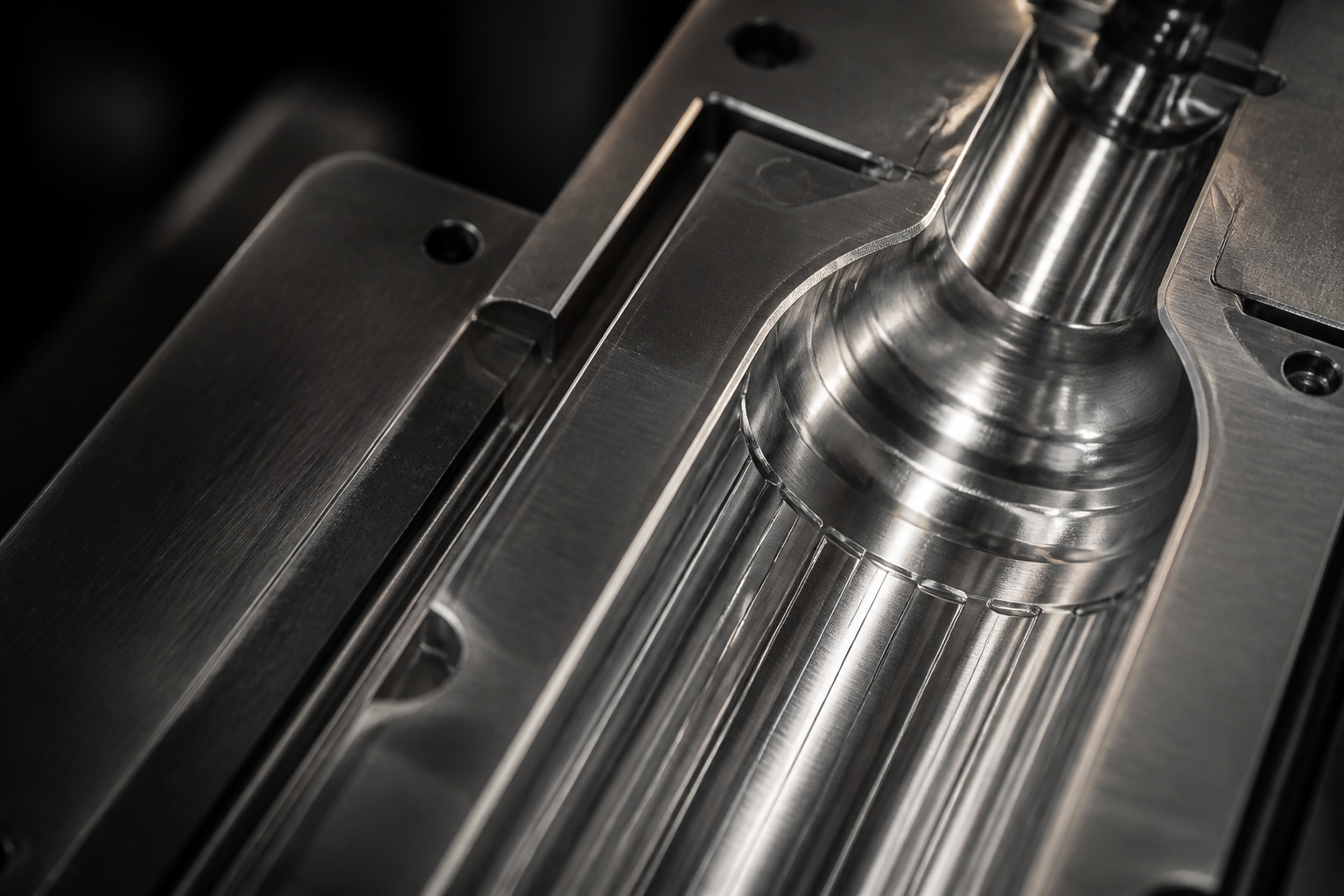
How Much Does a Custom Glass Bottle Mould Cost?
A detailed breakdown of the investment required for custom glass bottle moulds, explaining the key factors that influence cost, from design complexity and cavitation to mould material and expected lifespan.

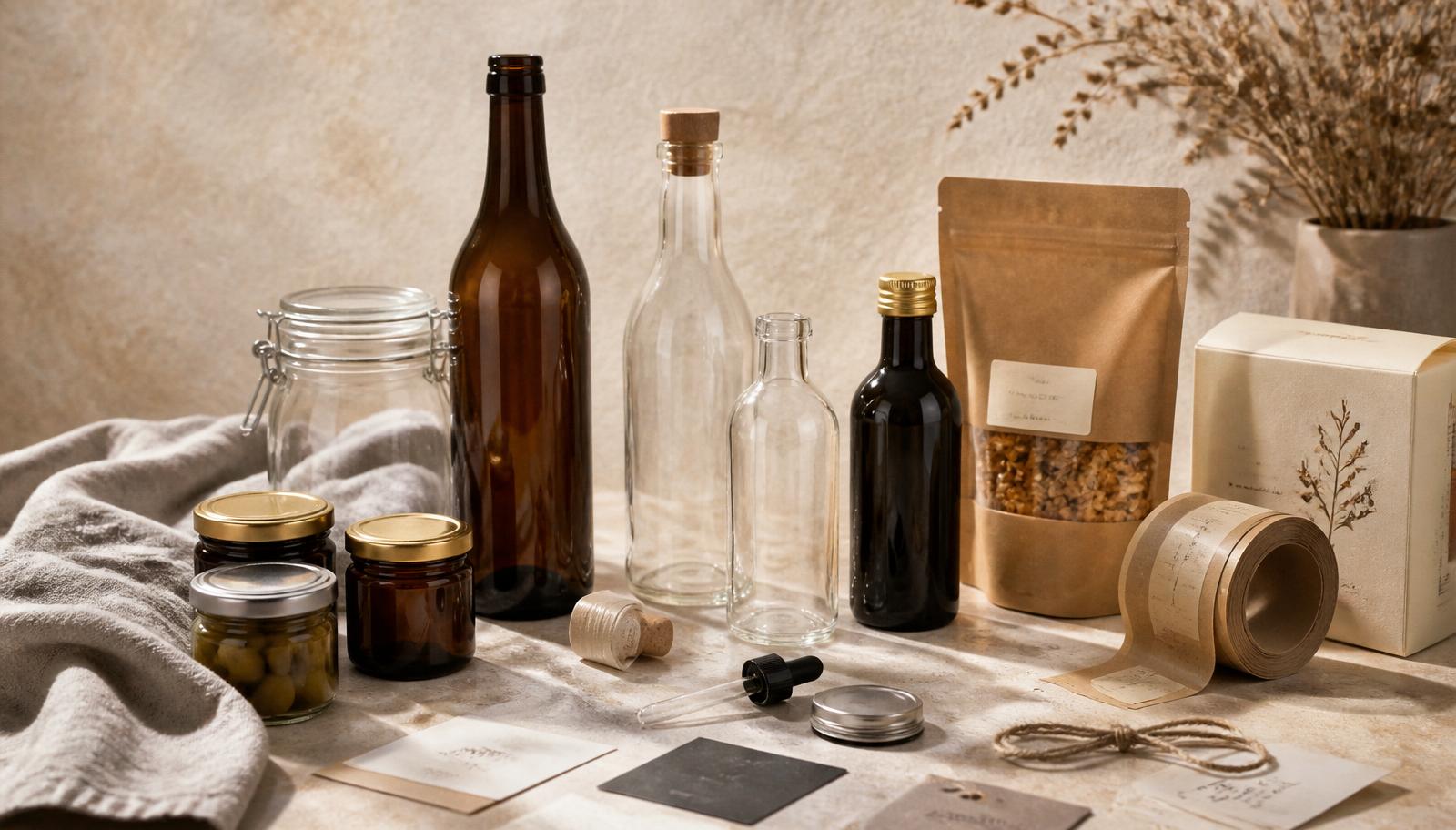
How to Plan a Short-Run Glass Packaging Project Without Overcommitting Inventory
A practical guide to planning volumes, mould decisions, samples, approvals and timelines before scaling production.